When we picture the Victorians, we often think of steam trains, top hats and Queen Victoria herself. But what was life like for Victorian children?
The answer depends enormously on whether a child was born into a rich family or a poor one. Some children grew up in grand houses with nannies and nurseries full of toys. Others started work before they were ten years old.
Let's step back into the 19th century and discover what everyday life was really like for Victorian boys and girls.
Rich Children and Poor Children
Queen Victoria reigned from 1837 to 1901, a time when Britain was changing fast. Factories, railways and growing cities created great wealth, but that wealth was not shared equally.
Children from wealthy families usually:
- ✦
Lived in large houses with servants
- ✦
Spent much of their day in a nursery, looked after by a nanny
- ✦
Were taught at home by a governess when they were young
- ✦
Often saw their parents only at set times of the day
Children from poor families usually:
- ✦
Lived in small, crowded homes, sometimes with a whole family sharing one or two rooms
- ✦
Had few possessions and little spare time
- ✦
Were expected to earn money to help the family survive
- ✦
Went to school for only a few years, if at all
For many families, a child's wages could make the difference between having enough food or going hungry.
Did Victorian Children Have to Work?
Yes, many did. At the start of the Victorian era, it was normal for poor children to work long hours. Some of the jobs children did included:
- ✦
Working in cotton mills and textile factories, where small children could crawl under machines to clean them or tie broken threads
- ✦
Working in coal mines, opening and closing trapdoors to let air flow through the tunnels
- ✦
Climbing inside chimneys to clean them for master chimney sweeps
- ✦
Selling matches, flowers or newspapers on the streets
- ✦
Working as servants in wealthy homes
- ✦
Helping on farms with jobs such as scaring birds away from crops
The work was often tiring and dangerous. But over the Victorian period, campaigners and Parliament gradually changed the rules.
Laws That Changed Children's Lives
- ✦
1833 Factory Act: Passed just before Victoria became queen, it banned children under nine from working in most textile mills and limited the hours of older children.
- ✦
1842 Mines Act: Banned women, girls and boys under ten from working underground in mines.
- ✦
1875 Chimney Sweepers Act: Required sweeps to be licensed, which finally helped bring an end to children being sent up chimneys.
These changes didn't happen overnight, but by the end of Victoria's reign, far fewer young children were working full time.
What Were Victorian Schools Like?
At the beginning of the Victorian era, there was no national system of schools. Rich boys might go to boarding school, while poor children might attend a small "dame school" run in someone's home, a charity school, or a ragged school for very poor children.
Things changed with a series of important laws:
- ✦
1870 Elementary Education Act: Set up local school boards to build schools wherever there were not enough places.
- ✦
1880 Education Act: Made school attendance compulsory for children aged five to ten.
- ✦
1891 Elementary Education Act: Made elementary education free for most children.
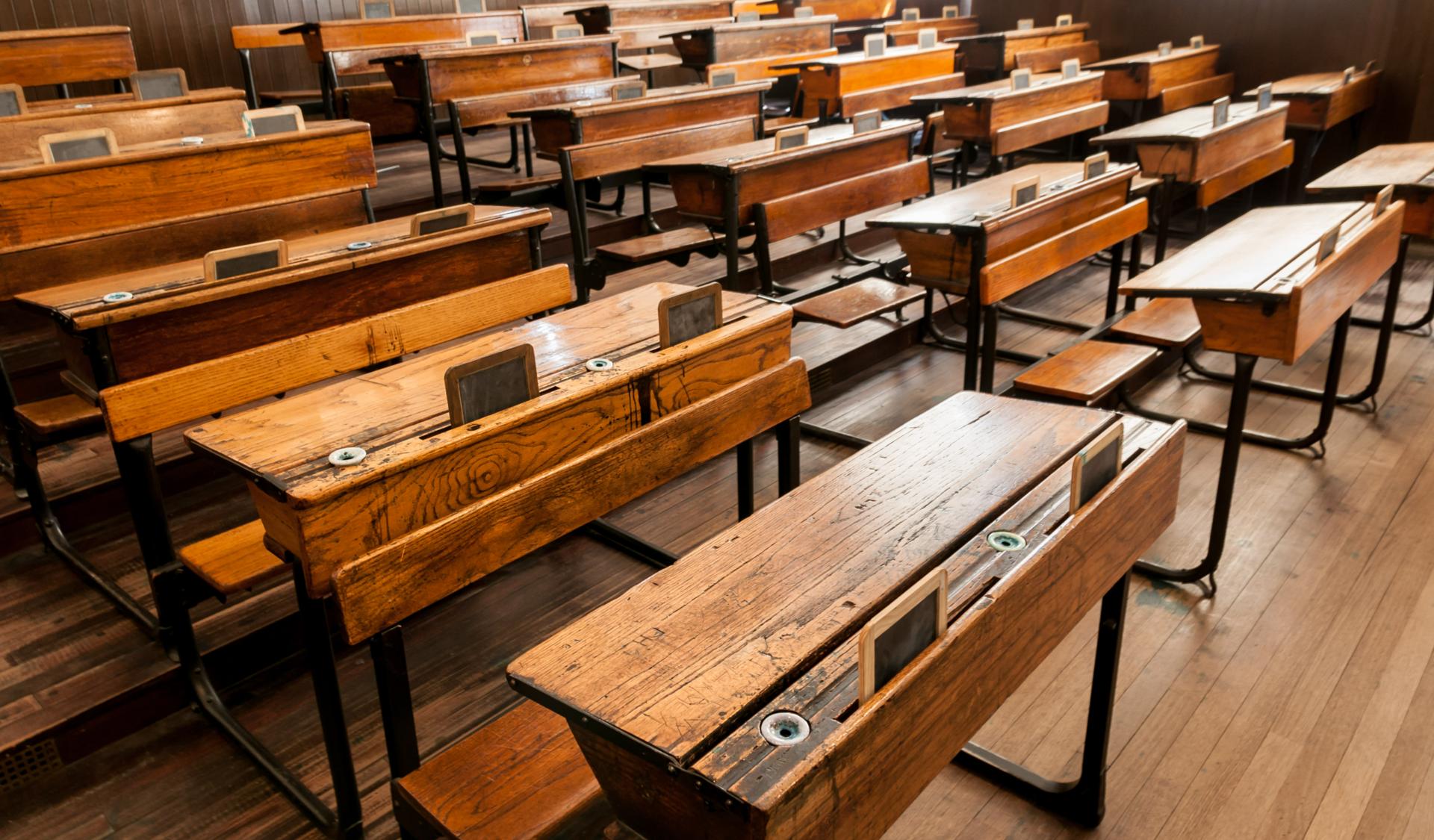
A Victorian classroom would feel very different from a modern one. Children often:
- ✦
Wrote on small slates with slate pencils, which could be wiped clean and used again
- ✦
Practised neat handwriting in copybooks
- ✦
Learned by chanting times tables and facts out loud
- ✦
Focused on the "three Rs": reading, writing and arithmetic
- ✦
Sat in rows, with large classes of children of different ages
Teachers were very strict. Pupils were expected to sit up straight and stay silent, and punishments such as the cane were common. Children who struggled might even be made to wear a dunce's cap.
What Toys and Games Did Victorian Children Play With?
Even with hard lives, Victorian children found plenty of ways to have fun. Poorer children made the most of simple, cheap toys and games played in the street, such as:
- ✦
Marbles
- ✦
Spinning tops
- ✦
Hoops rolled along with a stick
- ✦
Skipping ropes
- ✦
Hopscotch
- ✦
Peg dolls carved from wooden clothes pegs
Wealthier children might have:
- ✦
Rocking horses
- ✦
Dolls' houses
- ✦
Tin soldiers and toy trains
- ✦
Jigsaw puzzles and board games
- ✦
Optical toys such as the zoetrope, which made pictures appear to move when it was spun
The Victorian era was also a golden age of children's books. Lewis Carroll's Alice's Adventures in Wonderland was published in 1865, and Robert Louis Stevenson's Treasure Island followed in 1883.
What Did Victorian Children Eat?
A Victorian child's diet depended almost entirely on how much money their family had.
Poorer families relied on cheap, filling foods such as:
- ✦
Bread and dripping
- ✦
Potatoes
- ✦
Porridge
- ✦
Thin soups and stews
- ✦
Tea, often with plenty of sugar if they could afford it
Meat was a treat for many poor families. Wealthy children, on the other hand, ate a much wider range of foods, including meat, fish, fresh fruit, puddings and cakes, usually served in the nursery rather than at the grown-ups' table.
What Did Victorian Children Wear?
Wealthy Victorian children were often dressed like miniature adults. Girls wore long dresses with petticoats and pinafores, while boys might wear sailor suits, which became fashionable after Queen Victoria dressed her own sons in them.
Poorer children often wore hand-me-downs that had been mended many times. Some couldn't afford shoes at all and went barefoot, even in winter.
What Can We Learn from Victorian Children?
Life for many Victorian children was much harder than it is today. Yet their stories show us how ideas about childhood changed during the 19th century. By the end of Victoria's reign, more children were in school, fewer were working long hours, and people increasingly believed that childhood should be a time for learning and play.
Comparing their lives with our own is a brilliant way to spark conversations at home. You could ask your child:
- ✦
Which Victorian job would you have found the hardest?
- ✦
Would you rather learn on a slate or a tablet, and why?
- ✦
Which Victorian toy would you most like to try?
- ✦
What do you think a Victorian child would find most surprising about your life?
Continue Your Victorian Adventure
Want to help your child discover even more about the Victorians? Mysteries in Time brings history to life by pairing an exciting storybook with a colourful history fact magazine, so children can enjoy an adventure and learn the real history behind it at the same time.
Explore our Victorians adventure and the rest of our history collection at Mysteries in Time.