Every November, children come home from school wearing paper poppies, or spot the red flowers on coats in the supermarket queue, and the questions start. Why are people wearing poppies? What's the silence for? Who are we remembering?
Remembrance Day can feel like a tricky subject to explain. It's about war and loss, and you want to be honest without frightening anyone. The good news is that children of almost every age can understand the heart of it: people lived through something very hard, many didn't come home, and once a year we stop to remember them.
Here's a gentle, practical guide to talking about Remembrance with your children, with the key facts, age-by-age ideas and some calm activities to try together.
What is Remembrance Day?
Remembrance Day falls on 11 November each year. It marks the anniversary of the Armistice, the agreement that ended the fighting of the First World War. The Armistice was signed in a railway carriage in a forest near Compiègne in France in the early hours of 11 November 1918, and the guns fell silent at 11 o'clock that morning. That's where the famous phrase "the eleventh hour of the eleventh day of the eleventh month" comes from.
Today, Remembrance isn't only about the First World War. It's a time to remember everyone who has served and died in wars and conflicts, including the Second World War and those since.
In the UK there are two key dates to know:
- ✦
Remembrance Day (Armistice Day): 11 November, whatever day of the week it falls on. Many schools and workplaces hold a two-minute silence at 11am.
- ✦
Remembrance Sunday: the second Sunday in November, when services are held at war memorials across the country, including the national ceremony at the Cenotaph in Whitehall, London.
If you're in the United States, 11 November is Veterans Day. It began as Armistice Day too, and was renamed in 1954 to honour all American veterans. Many of the ideas below work just as well for Veterans Day.
Why do we wear poppies?
This is usually the first question children ask, and it's a lovely way in.
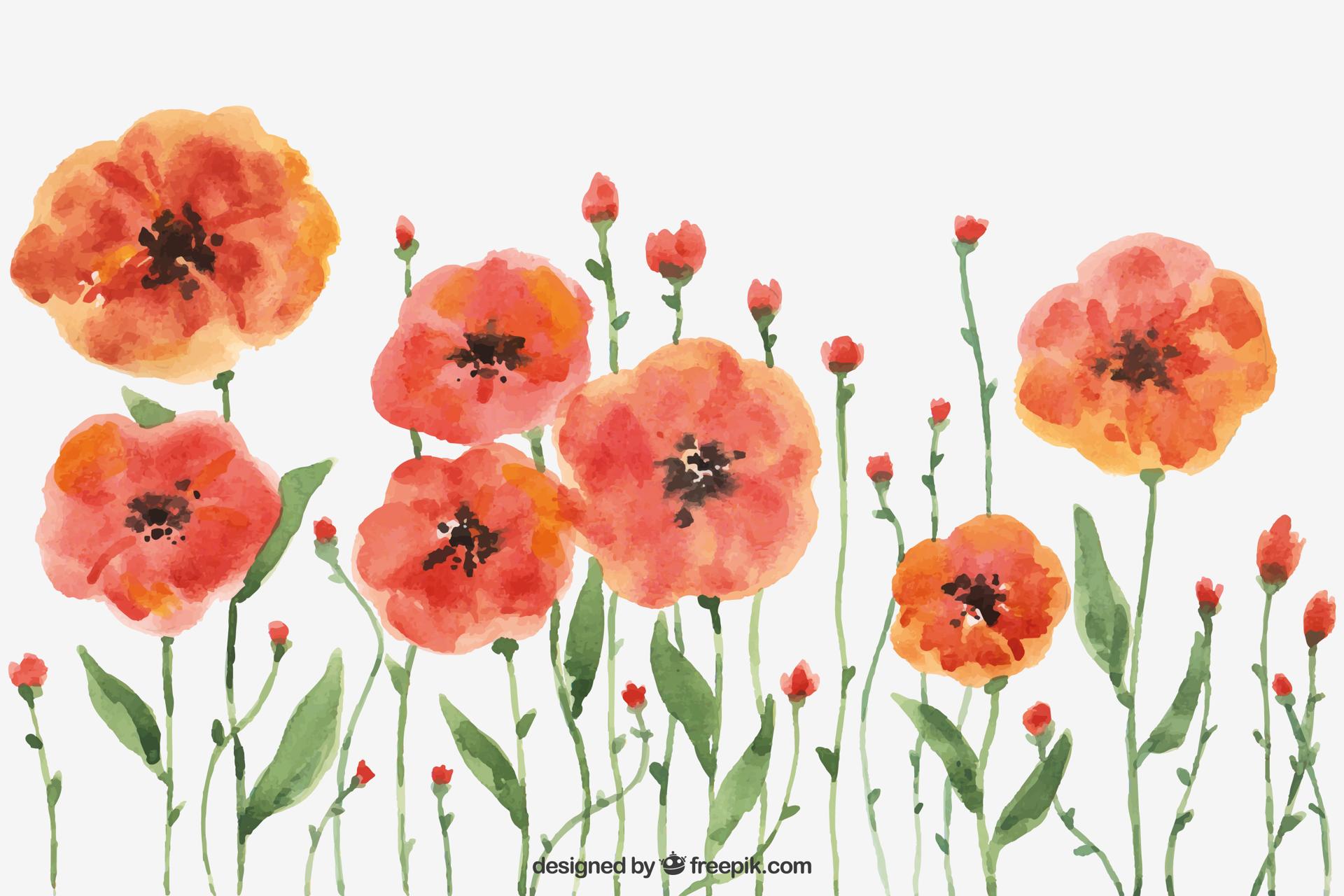
During the First World War, much of the fighting on the Western Front took place in Flanders, in Belgium and northern France. The ground was churned up by battle, yet bright red poppies kept growing there. Poppy seeds can lie in the soil for years and sprout when the earth is disturbed, so the flowers popped up across the old battlefields.
A Canadian army doctor, John McCrae, wrote a poem in 1915 called "In Flanders Fields" about the poppies growing among soldiers' graves. The poem became very well known. An American teacher, Moina Michael, was so moved by it that she began wearing a red poppy in memory of the fallen and campaigned for others to do the same. A Frenchwoman, Anna Guérin, then helped spread the idea of selling poppies to raise money for veterans and their families.
In Britain, the newly formed Royal British Legion held its first Poppy Appeal in 1921. Poppies have been sold to support the armed forces community ever since.
How to talk about it, age by age
You know your child best, so treat these as starting points rather than rules.
Ages 4 to 6: keep it simple and kind
Young children don't need detail about battles. Focus on remembering and kindness.
- ✦
Try: "A long time ago there was a big war. Lots of people were very brave, and some of them died. Every year we wear a poppy and stay quiet for a little while to remember them and say thank you."
- ✦
Link it to something they already understand, like remembering a grandparent or a pet who has died.
- ✦
Keep the focus on peace, helping each other and being grateful.
Ages 7 to 9: add the story
This is the age when many children start learning about the World Wars at school, and they love real stories.
- ✦
Explain the Armistice and why 11am matters.
- ✦
Share the poppy story above. It's memorable and explains the reason for the paper poppies.
- ✦
Look at a local war memorial together and read a few of the names. Children are often struck by how many names there are.
- ✦
Talk about children's lives in wartime too, such as evacuation or rationing in the Second World War, which helps them connect with people their own age.
Ages 10 and up: invite bigger questions
Older children can handle more nuance and often want to discuss it.
- ✦
Talk about the scale of the First and Second World Wars and why people wanted to make sure they were never forgotten.
- ✦
Discuss why remembering matters even when nobody alive today fought in the First World War.
- ✦
Explore family history. Is there a great-great-grandparent who served, worked in a factory or was evacuated? Old letters, photos and medals make history very personal.
- ✦
Encourage them to think about what peace means and how people try to prevent wars.
Answering the hard questions
Children may ask things that catch you off guard. A few tips:
- ✦
Be honest, but match the detail to the question. If they ask "Did people die?", a simple "Yes, lots of people did, and that's why we remember them" is enough. Let them lead if they want to know more.
- ✦
It's fine to say "I don't know". Then find out together.
- ✦
Reassure them. If a child seems worried, remind them that the World Wars ended a long time ago and that remembering is about caring and peace.
- ✦
Watch for feelings. If your family has a personal connection to the armed forces, children may have extra questions. Give them space to talk.
Calm, hands-on Remembrance activities
Doing something with their hands helps children process big ideas. Here are some gentle activities for home or the classroom.
- ✦
Make a paper poppy. Cut petals from red paper or card, add a black centre and a green stem. Younger children can use tissue paper; older ones can try a folded design.
- ✦
Take part in the two-minute silence. At 11am on 11 November, or during Remembrance Sunday, stop together. Explain beforehand what will happen so it isn't confusing. For little ones, even a shorter quiet moment is meaningful.
- ✦
Visit a war memorial. Most towns and villages have one. Count the names, look for dates and talk about what life might have been like in your area at the time.
- ✦
Write a thank-you letter or a short poem. Children can write about peace, bravery or what they're grateful for.
- ✦
Plant something. Poppy seeds can be sown in autumn or spring. Watching them grow next summer is a lovely living reminder.
- ✦
Make a "peace" display. Ask children to draw or write what peace means to them and pin it up at home.
- ✦
Read a story together. A good historical story can open up conversations far better than a list of facts.
A few quick facts for curious kids
- ✦
The First World War lasted from 1914 to 1918.
- ✦
The fighting stopped at 11am on 11 November 1918.
- ✦
The first two-minute silence was held in 1919, after King George V asked people across the country to pause and remember.
- ✦
The Unknown Warrior, a soldier whose name nobody knows, was buried in Westminster Abbey on 11 November 1920 to represent everyone who died and had no known grave.
- ✦
The Royal British Legion's first Poppy Appeal took place in 1921.
Bringing history to life at home
Remembrance is one of those moments when history stops being something in a textbook and becomes real, personal and important. Children who understand the story behind the poppy tend to remember it for life.
At Mysteries in Time, we help families explore the past through storytelling. Each title pairs an engaging storybook with a history fact magazine, so children meet the period through a gripping adventure and then dig into the real facts behind it. It's secular, flexible and works whether you homeschool, want to support what your child is learning at school, or simply have a curious kid at home.
This November, why not wear a poppy together, share a story and take a quiet moment to remember?