December is a wonderful, chaotic month for home-educating families. There are nativity plays, visits from relatives, baking, wrapping and a general feeling that "proper" lessons can wait until January. The good news is that they don't have to stop altogether. Many of the traditions we enjoy every December have fascinating histories, which makes this the perfect month to let history lead the way.
Here is a gentle four-week plan you can dip in and out of. Each week has a theme, a few conversation starters and a hands-on activity, with nothing that needs hours of preparation.
Why history works so well in December
Children are naturally curious about the things happening around them. When they ask why we bring a tree indoors or pull crackers at dinner, they are asking a history question. Following that curiosity means learning feels like part of the festivities rather than something competing with them.
- ✦
It connects learning to real life. Children can see, touch and take part in the traditions they are learning about.
- ✦
It is flexible. A ten-minute chat over breakfast counts, and so does an afternoon of crafts.
- ✦
It brings in the whole family. Grandparents often have their own memories of Christmases past to share.
Week 1: Midwinter festivals long ago
Long before modern Christmas, people celebrated in the darkest weeks of the year. The Romans held Saturnalia in December, a festival of feasting, games and gift-giving when normal rules were turned upside down for a few days. Across northern Europe, people marked the winter solstice, the shortest day of the year, which falls around 21 December.
Try this
- ✦
Track sunrise and sunset times each day this week and draw a simple chart. Will the days keep getting shorter? When will they start to grow longer?
- ✦
Hold a mini "Saturnalia" dinner where the children choose the menu and the grown-ups serve.
- ✦
Ask: why do you think people long ago wanted a big celebration in the middle of winter?
Week 2: The Victorian Christmas
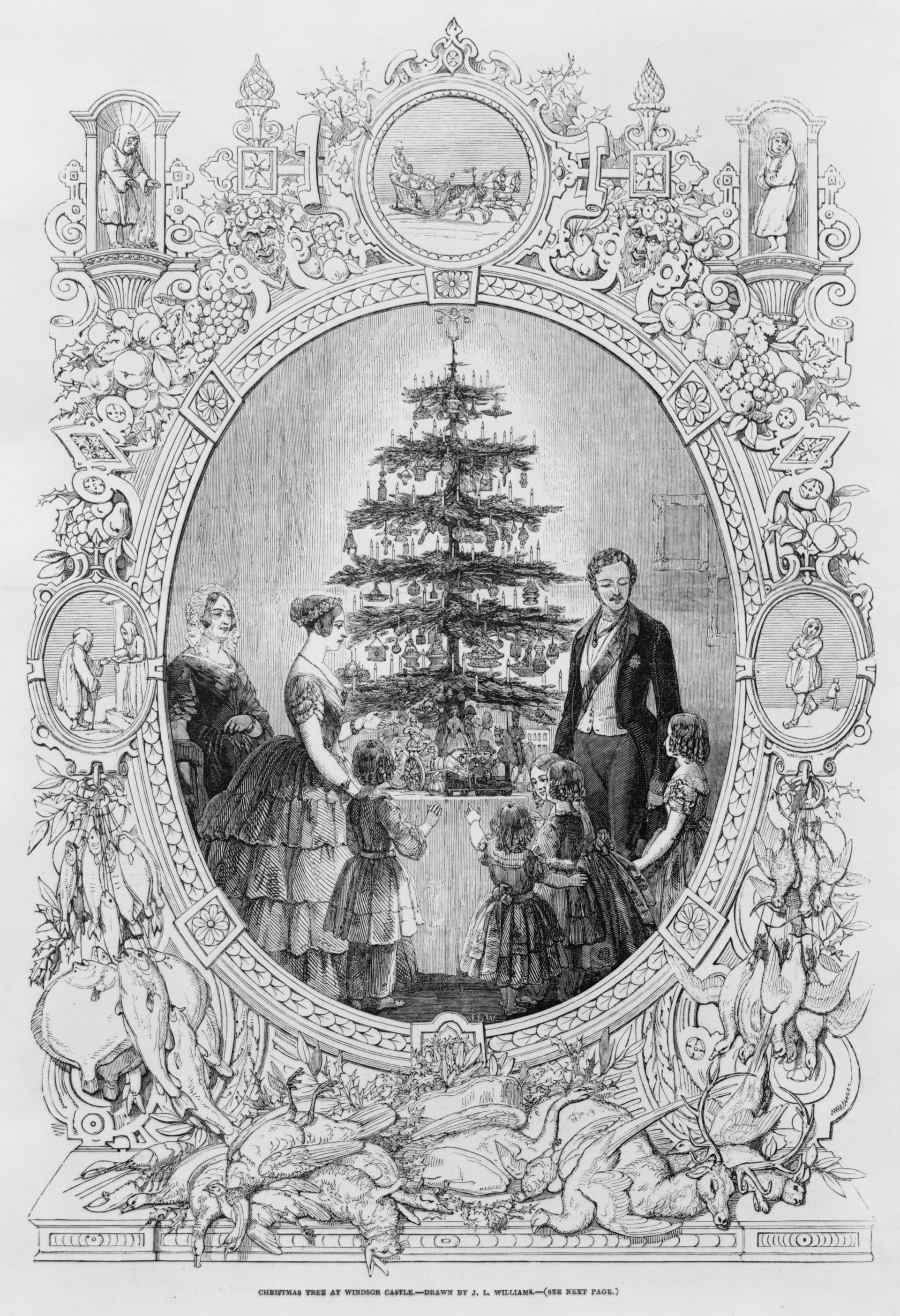
Many of the customs British families enjoy today became popular in Victorian times. In 1843, Henry Cole sent the first commercial Christmas cards, and Charles Dickens published A Christmas Carol in the same year. In 1848, a picture of Queen Victoria, Prince Albert and their children gathered around a decorated tree appeared in the Illustrated London News. Albert had grown up with Christmas trees in Germany, and after that picture families across Britain wanted one too. Christmas crackers were invented around the same time by a London sweet-maker, Tom Smith.
Try this
- ✦
Design a Victorian-style Christmas card using paper doilies, ribbon and old wrapping paper.
- ✦
Make paper chains or salt-dough decorations, the kind of homemade ornaments many Victorian families hung on their trees.
- ✦
Read a child-friendly retelling of A Christmas Carol and talk about what life was like for poor families like the Cratchits.
Week 3: Christmas in different times and places
Christmas has not always looked the same. In the 1640s and 1650s, when the Puritans held power in England, Christmas celebrations were restricted. In December 1914, during the First World War, soldiers in some parts of the front line stopped fighting for an unofficial Christmas truce. Around the world today, families celebrate in very different ways, from summer barbecues in Australia to St Lucia processions in Sweden.
Explore our history adventures
Try this
- ✦
Make a simple timeline of Christmas traditions, adding a drawing for each date.
- ✦
Pick one country and find out how families there celebrate. Could you try one of their traditions at home?
- ✦
Interview a grandparent or older friend: what was Christmas like when they were a child?
Week 4: Rest, reflect and read
The final week before Christmas is rarely the moment for anything ambitious, and that's fine. Treat it as a reading and reflection week instead.
- ✦
Snuggle up with history stories in the evenings.
- ✦
Ask children to choose their favourite thing they learned this term and present it to the family.
- ✦
Start a family "time capsule" with a letter about this year's Christmas, to open in ten years' time.
Tips for keeping December stress-free
- ✦
Lower the bar. Two or three short history sessions a week is plenty.
- ✦
Count the everyday learning. Baking, writing cards and visiting a Christmas market all count as learning.
- ✦
Keep a simple record. A photo and a sentence for each activity soon adds up to a lovely portfolio.
- ✦
Follow their questions. If a child becomes fascinated by Roman feasts, let the plan bend.
Bring history home with Mysteries in Time
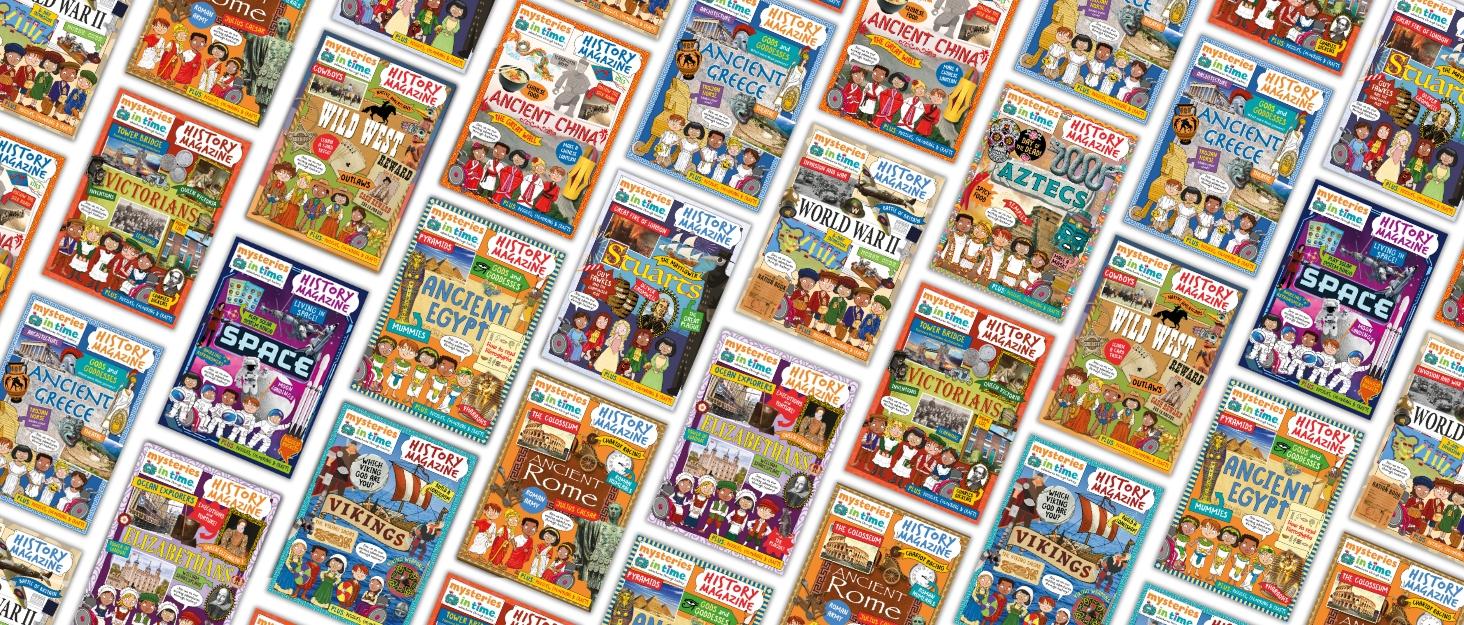
If you'd like history that is ready to go when life gets busy, Mysteries in Time pairs a gripping story with a fact-packed history magazine for each period, from Ancient Rome to the Victorians. It is ideal for cosy December afternoons and makes a thoughtful gift for curious children too. Explore Mysteries in Time and see which adventure your family will start first.