
If you homeschool in Alabama, January 2027 is a date worth circling on the calendar. That's when applications open for the 2027–28 school year of the CHOOSE Act, the state's education savings account (ESA) program. And this year there's a big change: the program is open to all Alabama families, regardless of income.
If you didn't qualify in previous years, or you simply never got around to applying, this guide walks you through how the CHOOSE Act works for home education families, the key dates, what you can spend the money on, and how to get organized before the application window opens.
What Is the CHOOSE Act?
The Creating Hope and Opportunity for Our Students' Education (CHOOSE) Act became law in 2024. It gives eligible families an education savings account they can use to pay for approved educational expenses. The program is run by the Alabama Department of Revenue (ALDOR), and families access and spend their funds through an online platform called ClassWallet.
The amount you receive depends on how your child is educated:
- ✦
Home education: $2,000 per participating student, capped at $4,000 per family. ALDOR says this includes individual or group programs, homeschools and co-ops.
- ✦
Participating private schools: $7,000 per student.
So a homeschooling family with two or more children could receive up to $4,000 a year to put towards curriculum, books, tutoring and other learning costs.
What's Changing for 2027–28?
For the program's first two years, new families had to have a household income at or below 300% of the federal poverty level to qualify. That limit is now going away. In a November 2026 announcement, the Governor's office confirmed that "for the 2027-2028 academic year and beyond, the program is open to all families, regardless of income."
There is one thing to keep in mind. Funding is limited, and if applications outstrip the money available, ALDOR uses a priority order to decide who receives awards. Returning students are near the top of that list, and the remaining awards are ranked by household income as a percentage of the federal poverty level. In other words, everyone can apply, but applying on time still matters.
Demand has been strong. For 2026–27, almost 49,000 students applied and more than 34,000 were approved, adding up to over $174 million in education savings accounts.
Key Dates for 2027–28
- ✦
January 4, 2027: The online application opens for both renewing and new families.
- ✦
March 31, 2027 (midnight): The application window closes.
- ✦
Spring 2027: Award notifications. For 2026–27, families were notified in mid-April, so expect a similar timeline, but check ALDOR's official 2027–28 timeline for confirmed dates.
- ✦
Summer 2027: Funds become available in ClassWallet ahead of the new school year. For 2026–27, funding was announced at the start of July.
How to Get Ready Before January
A little preparation now will make the application quick and stress-free when the window opens.
- ✦
Check your homeschool paperwork. Make sure your home education arrangement meets Alabama's legal requirements (many families homeschool through a church school cover) and that your records are up to date.
- ✦
Gather your documents. Have proof of Alabama residency, your children's details and your most recent tax information to hand, since income can still be used to rank applications.
- ✦
Read the official guidance. ALDOR publishes an FAQ, a family timeline and a parent guide on its CHOOSE Act page. These explain exactly how invoices, purchases and year-end balances are handled.
- ✦
Sketch out next year's learning plan. Think about which subjects you'll cover, what you already own and where you'll need new resources.
- ✦
Apply early. Set a reminder for January 4 so you're not caught out by the March 31 deadline.
What Can Homeschool Families Spend It On?
According to the Governor's office, the CHOOSE Act can help families with instructional materials and supplies, including:
Explore our history adventures
- ✦
Curriculum and textbooks
- ✦
Workbooks
- ✦
Educational software
- ✦
Computers
- ✦
School supplies
- ✦
Fees charged by tutors or schools
The key rule is that purchases must be made from approved education service providers (ESPs). ALDOR keeps a searchable list of approved providers, so check that a curriculum company, tutor or online class is on it before you plan to spend your funds there.
How Spending Works
Once your child is approved, your funds appear in ClassWallet, and you use the platform to pay approved providers. Don't assume you can buy something yourself and claim the money back later, and don't assume unspent money will roll over into the next year. The parent guide sets out the current rules, so read it before you start spending.
Making $2,000 Go Further
$2,000 can cover a lot of learning if you plan it out. Here's one simple way to divide it up:
- ✦
Core subjects first: Lock in your math and literacy curriculum, since these are used every day.
- ✦
Then the subjects kids love: History and science are where many families find it hardest to put together good resources, and where engaging materials make the biggest difference.
- ✦
Extra support: Set some money aside for tutoring or an online class in a subject where your child needs a boost.
- ✦
Supplies and tech: Use what's left for workbooks, art materials or educational software.
It also helps to spread purchases across the year rather than spending everything in August. Your child's interests will change, and you'll want room to follow them.
Where History Fits In
History is one of the easiest subjects to bring to life at home. A good history resource gives children a story to care about, then helps them understand the real people, places and events behind it. It also links naturally to reading, writing, geography and art, which means one purchase can support several subjects at once.
When you're comparing options, look for materials that suit a range of ages (handy if you're teaching siblings together), need little preparation from you, and are clear about their approach. Many families also prefer a secular curriculum that sticks to historical evidence.
Plan Your History Year with Mysteries in Time
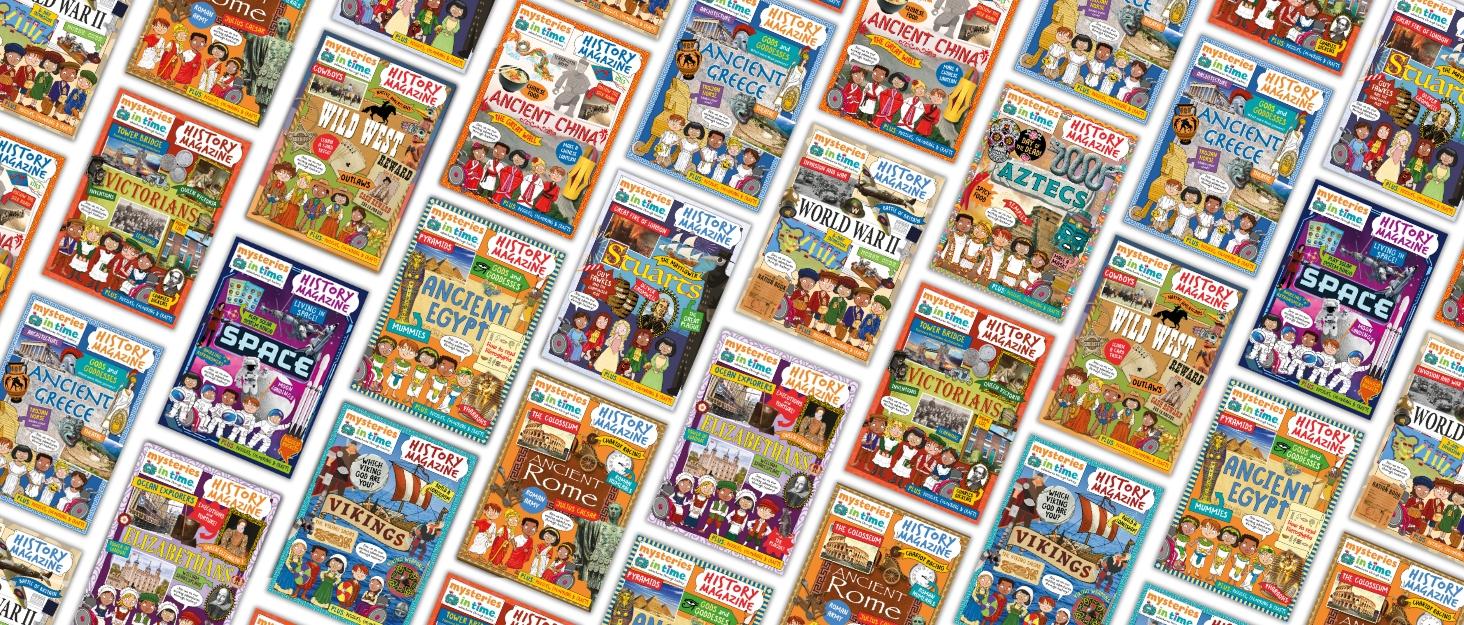
Mysteries in Time is a secular history curriculum made for curious kids. Each title pairs an exciting storybook adventure with a colorful history fact magazine, so children enjoy a mystery and learn the real history behind it at the same time. From Ancient Egypt to the Wild West, it's an easy way to add rich, low-prep history lessons to your homeschool.
Before you spend CHOOSE Act funds with any provider, check ALDOR's list of approved ESPs. Then explore the full collection at Mysteries in Time.
Program rules and dates can change. Always check the latest details on the Alabama Department of Revenue's CHOOSE Act page before you apply or make purchases.