15 Fascinating Viking Facts for Kids
The Vikings were fierce warriors, skilled sailors and adventurous explorers from northern Europe. They travelled across seas in longships, traded with distant lands, and raided towns across Europe. These Viking facts for kids are perfect for children, parents and teachers who want to learn more about the exciting world of the Vikings.
1. The Vikings Came from Scandinavia
The Vikings came from the countries we now call Norway, Denmark and Sweden. These areas are part of northern Europe and are known together as Scandinavia. Many Vikings lived in small farming communities surrounded by mountains, forests and icy seas.
2. The Viking Age Began Over 1,200 Years Ago
Historians usually say the Viking Age began in AD 793 after a famous raid on a monastery at Lindisfarne in England. The Viking Age lasted for around 300 years and ended in the 11th century.
3. Vikings Travelled in Longships
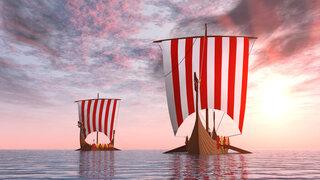
Viking longships were fast, narrow boats designed for travelling across oceans and rivers. Their shape allowed Vikings to sail into shallow water and land quickly. The ships had large sails and rows of oars, helping Vikings travel huge distances across Europe and beyond.
4. Vikings Were More Than Just Raiders
Although Vikings are famous for raids and battles, many were also traders, farmers, fishermen and craftspeople. They traded goods such as fur, jewellery, weapons and amber with people from different countries.
5. Vikings Reached North America
Viking explorers travelled incredibly far from Scandinavia. Around 500 years before Christopher Columbus, Vikings reached North America. An explorer called Leif Erikson is believed to have led journeys to an area called Vinland, which may have been part of modern-day Canada.
6. Viking Warriors Used Axes and Shields
Viking warriors carried weapons such as swords, spears, axes and round wooden shields. Some Vikings wore helmets and chainmail armour, but historians believe horned Viking helmets were mostly invented later in stories and costumes.
7. Vikings Believed in Norse Gods
The Vikings believed in many gods and goddesses as part of Norse mythology. Odin was the king of the gods, while Thor was the god of thunder. Vikings told exciting stories about gods, giants, magical creatures and the end of the world called Ragnarök.
8. Viking Homes Were Called Longhouses
Many Viking families lived together in large wooden homes called longhouses. These buildings often had one large room with a fire in the centre. Animals were sometimes kept inside the longhouse during cold winters to help provide warmth.
9. Viking Children Had Chores
Viking children helped their families with farming, cooking, fishing and caring for animals. Life could be tough, especially during long winters. Boys often learnt fighting and sailing skills, while girls learnt household tasks such as weaving and cooking.
10. Vikings Loved Storytelling
The Vikings enjoyed telling stories called sagas. These stories described brave heroes, dangerous battles and mythical creatures. Before books became common, stories were passed down by speaking and listening carefully.
11. Viking Settlers Came to Britain
Many Vikings settled in parts of Britain during the Viking Age. They built towns and farming communities in areas such as York. Some English words and place names still come from the Viking language today.
12. Vikings Used Runes for Writing
The Vikings used an alphabet called runes for writing messages and carving inscriptions into wood and stone. Rune stones were often created to honour important people or remember special events.
13. Viking Food Was Simple but Filling
Vikings ate foods such as bread, fish, meat, vegetables, berries and porridge. They also kept animals such as sheep, goats, and pigs. Because winters were cold, Vikings preserved food by smoking, salting or drying it.
14. Viking Explorers Were Skilled Navigators
Vikings travelled across rough seas without modern maps or compasses. They used the sun, stars, landmarks and knowledge of the sea to guide their journeys. Their excellent navigation skills helped them explore and trade across huge distances.
15. The Vikings Changed European History
The Vikings had a huge impact on Europe through trade, exploration, settlement and warfare. They influenced many countries, including England, Ireland, France and Russia. Even today, Viking history continues to inspire books, films, games and television shows around the world.
Why Are the Vikings Important?
The Vikings were skilled explorers, sailors, traders and warriors who travelled further than many people of their time. Their journeys helped connect different cultures across Europe and beyond. Learning Viking facts for kids helps children understand how the Vikings lived and why they remain one of the most fascinating groups in history.
Final Thoughts
From longships and Norse gods to explorers and warriors, the Vikings were a remarkable civilisation full of adventure and discovery. These Viking facts for kids are a great introduction to the exciting world of the Viking Age. Whether you are studying Vikings at school or learning at home, Viking history remains one of the most popular and fascinating topics in history today.
Bring the Vikings to Life
If your child loves learning about the Vikings, the best way to deepen their understanding is through hands-on activities and storytelling. Mysteries in Time helps children explore history through immersive stories, interactive learning and creative activities.👉 Explore the Vikings here: Viking History for Kids