15 Fascinating WW2 Facts for Kids
WW2 facts for kids is an important part of modern world history. World War 2 was one of the biggest and most important events in modern history. It affected millions of people around the world and changed everyday life forever. These WW2 facts for kids are perfect for kids, parents and teachers who want to learn more about the war in a simple and engaging way.
1. World War 2 Began in 1939
World War 2 started on 1st September 1939 when Nazi Germany invaded Poland. Two days later, Britain and France declared war on Germany. The war quickly spread across Europe and eventually involved countries from around the world. Millions of soldiers and civilians were affected by the conflict.
2. The War Lasted for Six Years
World War 2 lasted from 1939 until 1945. During those six years, battles took place on land, at sea and in the air. Many countries joined the war, including Britain, the United States, the Soviet Union, Germany, Italy and Japan. It became the largest war in human history.
3. Britain Was Led by Winston Churchill
During much of World War 2, Britain’s Prime Minister was Winston Churchill. He became famous for his powerful speeches that encouraged people to stay strong during difficult times. Churchill often spoke on the radio to boost morale during bombing raids and dangerous periods of the war.
4. Children Were Evacuated from Cities
Many children living in British cities were evacuated to the countryside to keep them safe from bombing raids. They travelled by train carrying labels, gas masks and small suitcases. Some children stayed with relatives, while others lived with complete strangers for months or even years.
5. The Battle of Britain Happened in the Sky
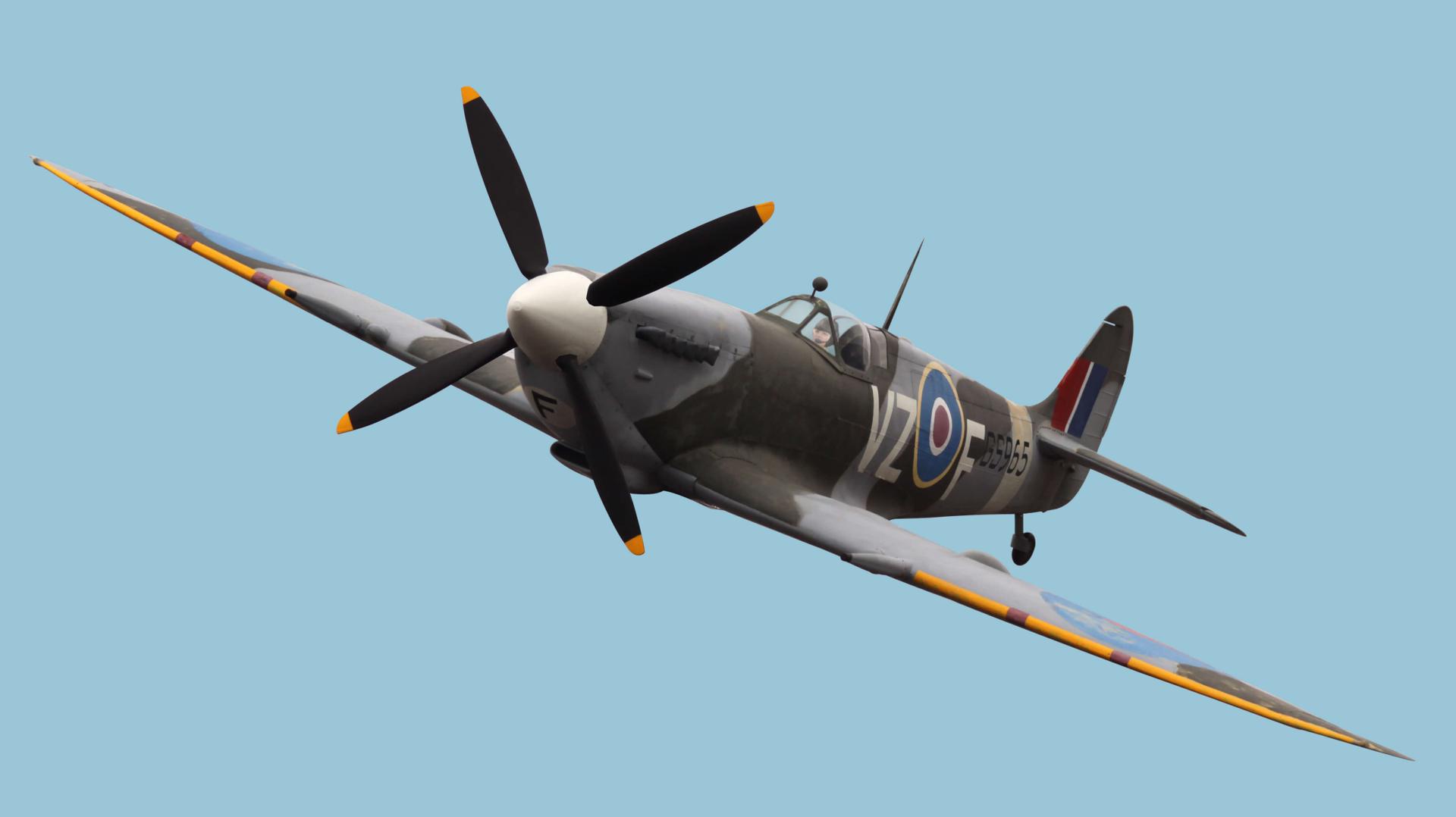
The Battle of Britain took place from July to October in 1940 and was fought mainly in the air. British pilots in the Royal Air Force defended the country against German attacks. The victory was important because it stopped Germany from invading Britain.
6. The Blitz Was a Series of Bombing Raids
The Blitz was a period when German planes dropped bombs on British cities, especially London. The bombing lasted from 1940 to 1941. Families often sheltered in underground stations, air raid shelters or cellars to stay safe during attacks.
7. People Used Ration Books During the War
Food and supplies were limited during World War 2, so rationing was introduced. Families used ration books to buy items such as sugar, butter, meat and eggs. People were encouraged to waste nothing and grow their own vegetables in gardens and parks.
8. Women Took on Important Jobs
Many men joined the armed forces during the war, so women worked in factories, farms, hospitals and transport services. Their work helped keep the country running. Some women also joined organisations such as the Women’s Land Army or worked as pilots and mechanics.
9. Gas Masks Were Given to Everyone
People feared poisonous gas attacks during World War 2, so gas masks were given to adults and children across Britain. Children even carried their gas masks to school every day, although gas attacks never happened in Britain during the war.
10. Secret Codes Helped Win the War
During the war, secret messages were sent between countries and armies. German forces used a coding machine called Enigma to hide their messages. British codebreakers worked at Bletchley Park and helped crack the code, giving the Allies valuable information.
11. Anderson Shelters Protected Families
Many families built Anderson shelters in their gardens to protect themselves during bombing raids. These shelters were made from curved steel sheets covered with soil. Although they could be cold and uncomfortable, they helped save many lives during air raids.
12. D-Day Was a Major Turning Point
D-Day happened on 6th June 1944 when Allied troops landed on beaches in Normandy, France. It was one of the largest military operations ever planned. Thousands of soldiers took part in the invasion, which helped begin the liberation of Europe from Nazi control.
13. VE Day Celebrated the End of the War in Europe
VE Day stands for Victory in Europe Day. It was celebrated on 8th May 1945 when Nazi Germany officially surrendered. People held street parties, waved flags and celebrated the end of the war in Europe after years of hardship and sacrifice.
14. World War 2 Changed Everyday Life
The war changed how people lived, worked, travelled and communicated. Blackout curtains, rationing and air raid sirens became part of normal life in Britain. Many buildings, homes, and cities were damaged during the war and had to be rebuilt afterwards.
15. World War 2 Ended in 1945
World War 2 officially ended in 1945 after both Germany and Japan surrendered. Countries around the world then began rebuilding after years of destruction. The war had a huge impact on history and led to important changes in politics, technology and international cooperation.
Why Is World War 2 Important?
World War 2 shaped the modern world and affected millions of people across different countries. It changed borders, governments, technology and everyday life forever. Learning WW2 facts for kids and world war 2 facts for kids helps children understand the experiences of people during wartime and why remembrance is still important today.
Final Thoughts
From evacuation and rationing to air raids and victory celebrations, World War 2 is an important topic full of powerful stories and historical lessons. These WW2 facts for kids are a great introduction to one of the most significant events in modern history. Whether you are studying World War 2 at school or learning at home, understanding the war helps children appreciate the courage, resilience and sacrifices of people who lived through it.
Bring WW2 to Life
If your child loves learning about World War 2, the best way to deepen their understanding is through hands-on activities and storytelling. Mysteries in Time helps children explore history through immersive stories, interactive learning and creative activities.
👉 Explore the WW2 experience here: WW2 History for Kids