c. 1341 BCE
A royal child is born
Tutankhamun was born into Egypt’s royal family during the Eighteenth Dynasty. He grew up during a time of big changes in Egypt.
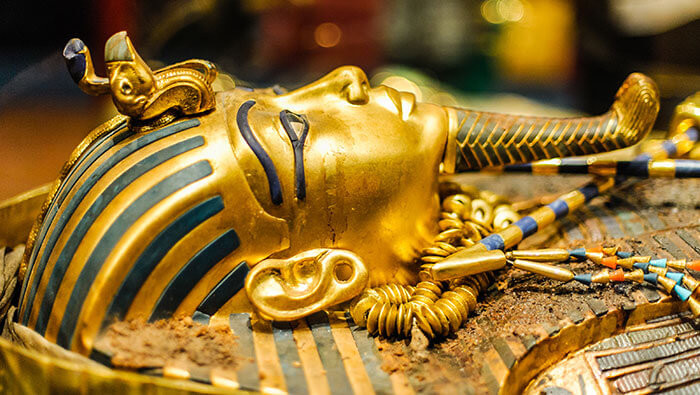
Meet the young pharaoh whose hidden tomb opened a golden window into Ancient Egypt — and discover why King Tut is still one of history's biggest mysteries.
Meet the young pharaoh
Tutankhamun became king when he was only about nine years old. Even at such a young age, the pharaoh was expected to lead the country, honour the gods and keep order across the land.
Because he was so young, experienced adults helped him rule. During his short reign, Egypt moved back towards many of its older religious traditions. Tutankhamun himself was not the most powerful pharaoh, but a surprising discovery made him famous around the world thousands of years later.
Follow the clues
His life was short, but the trail he left behind travelled across thousands of years.
c. 1341 BCE
Tutankhamun was born into Egypt’s royal family during the Eighteenth Dynasty. He grew up during a time of big changes in Egypt.
c. 1332 BCE
At around nine years old, he became pharaoh. Advisers helped him lead while he learned the job.
c. 1323 BCE
Tutankhamun died at about nineteen. He was buried in a small, hidden tomb in the Valley of the Kings.
1922 CE
Howard Carter discovered the entrance to the hidden tomb, revealing an extraordinary collection of royal objects to the modern world.

The treasure that told the story
A glimpse inside the tomb known as KV62
5,000+
objects recorded
1922
year of discovery
Most royal tombs had been visited by robbers long before modern archaeologists arrived. Tutankhamun's tomb was different: although it had been disturbed in ancient times, much of its treasure was still there.
After years of searching, Howard Carter found a staircase buried beneath the desert floor. When the doorway was opened, the team saw room after room packed with objects made for the pharaoh's journey into the afterlife.
Look closer
The objects were not just shiny treasures. Together, they show how Egyptians imagined royal life, games, travel and the afterlife.
Tutankhamun’s famous mask weighs more than 10 kilograms of gold. The blue and gold stripes helped it look like royal headwear.
A Senet board was found in the tomb. Egyptians played this ancient board game for fun and believed it could also represent a journey beyond life.
The rooms held chariots, furniture, jewellery, food and even golden covers for the king’s toes — everyday objects made fit for a pharaoh.
The discovery gave people a detailed look at ancient royal life. Every object became a clue — and every clue helped historians understand the people who made, used and treasured it.
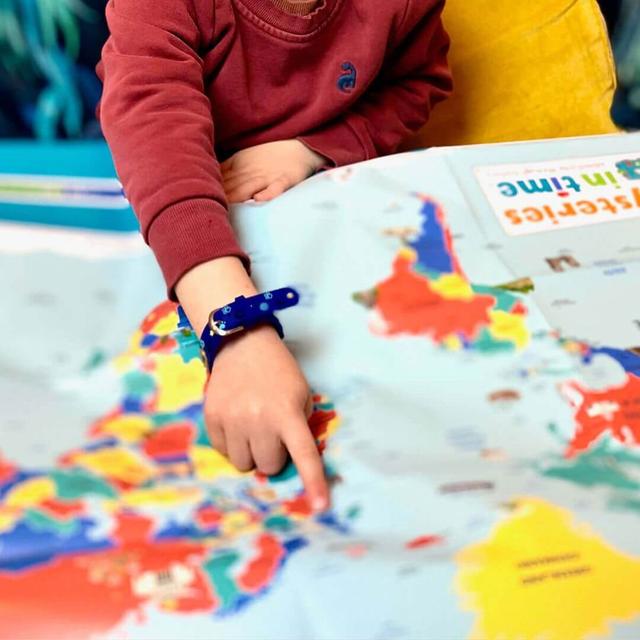
History Subscription Box for Kids
Turn history into an adventure! Stories, magazines, puzzles, crafts and hands-on fun — delivered straight to your door every month.
As Seen In