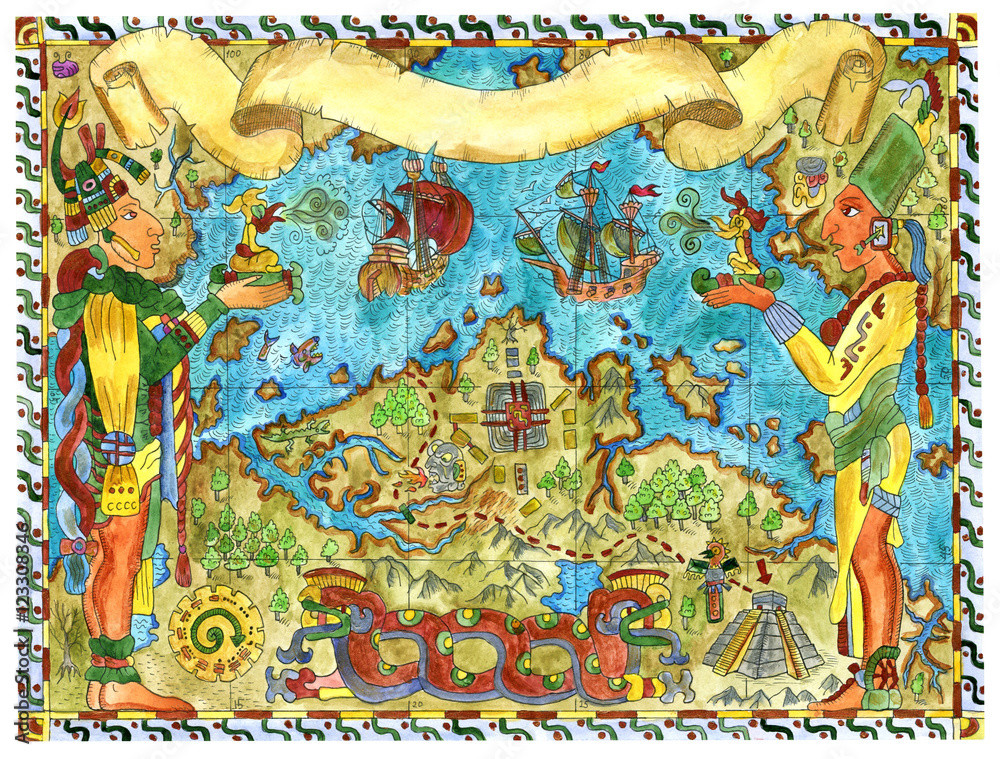
An ancient Mesoamerican pyramid evoking the great Aztec city of Tenochtitlan, the capital of the Aztec Empire
🏛️The Aztec Empire🏛️

Who were the Aztecs for Kids?

Aztec History!
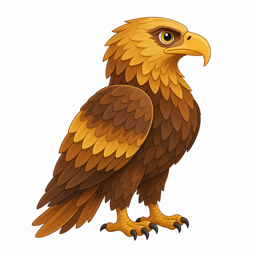
Illustration of an Aztec eagle

Who were the Aztecs?

The Aztecs were a fascinating civilisation that lived in what is now central Mexico hundreds of years ago. They built one of the largest and most powerful empires in the Americas, with grand temples, busy marketplaces and a capital city built on water.

From their stunning capital, Tenochtitlan (say: Teh-noch-teet-LAHN), to their clever floating gardens, the Aztecs left behind an incredible legacy that still amazes people today. Their stories, art and ideas help us understand how people lived long ago and how they made sense of the world around them.

Discover how the Aztecs lived, what they believed and how they created one of history's greatest empires.

Mexica People!

🦅 Who Were the Aztecs?

The Aztecs called themselves the Mexica. They were a group of people who travelled south from what is now northern Mexico in search of a new home, eventually settling in the Valley of Mexico in the 1200s.

According to an old legend, the Mexica were told by their god Huitzilopochtli (say: Wee-tsee-loh-POCH-tlee) to build their city on the spot where they saw an eagle perched on a cactus, holding a snake in its beak. After many years of wandering, they finally spotted this incredible sign on a small island in the middle of Lake Texcoco.

There, in 1325, they founded their great capital city, Tenochtitlan. The image of the eagle, cactus and snake became such an important symbol that it can still be seen on the Mexican flag today.


🌼💀🌼

City on the Lake!

🏛️ Tenochtitlan: The City on the Lake

Tenochtitlan was unlike any other city of its time. Built on an island in the middle of Lake Texcoco, it was connected to the mainland by long, wide causeways (raised roads) that crossed the water.

The city was carefully planned, with straight streets and a network of canals that people travelled along by canoe, almost like the streets and rivers of Venice. At the heart of Tenochtitlan stood huge temples and grand palaces, including the famous Templo Mayor, where important ceremonies took place.

There were also schools where children learned about religion, warfare and history, as well as busy marketplaces where people traded food, cloth, jewellery and many other goods. Beautiful gardens and floating green spaces made the city feel alive and full of colour.

When the Spanish explorers first arrived in 1519, they were amazed by what they saw. They said Tenochtitlan was bigger and more impressive than any European city, with its shining temples rising above the water and thousands of people moving busily through its streets and canals.


Clever Farmers!

🌽 Floating Gardens and Farming

One of the cleverest things the Aztecs did was create floating gardens called chinampas. These were small, rectangular plots of land built on the shallow parts of the lake by piling up mud, plants and reeds.

The soil in the chinampas was rich and fertile, which meant the Aztecs could grow lots of different crops to feed their large population. They grew maize (corn), beans, squash and tomatoes, as well as chillies, herbs and flowers.

Because the chinampas were surrounded by water, the plants stayed well watered and could be harvested several times a year. This clever farming method helped the city of Tenochtitlan grow into one of the most important and well-fed places in the ancient world.


Mysteries in Time
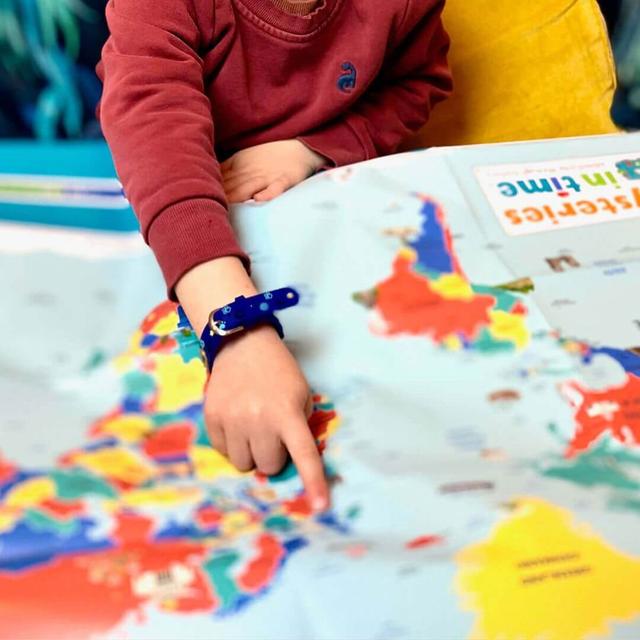
Mysteries in Time history activities for kids featuring an illustrated world map with historical landmarks

History Subscription Box for Kids

Bring History to Life — One Mystery at a Time

Turn history into an adventure! Stories, magazines, puzzles, crafts and hands-on fun — delivered straight to your door every month.

Loved by kids & parents
New era every month
Puzzles & activities
Start Your AdventureSkip or cancel anytime

As Seen In

Junior Magazine
Little London
Made for Mums
Mail Online
The Guardian
USA Today