⚡ Viking Religion: Many Gods
The Viking religion was based around worshipping many gods and goddesses. This was similar to the Ancient Romans and the Ancient Greeks, who were also polytheists, which means they worshipped many gods, goddesses instead of one single god.
Often, the Viking gods and goddesses were believed to be the personification of everyday things, for example there was a god of the sea and a god of the sun. The two most important gods in the Viking or Norse mythology were Odin and Thor.
- 🏛️Vikings were polytheists, meaning they worshipped many gods and goddesses
- 🌊Each god represented different aspects of everyday life like the sea and sun
- 👑Odin and Thor were the two most important gods in Norse mythology
- 🏺Similar to Ancient Romans and Greeks who also had many gods
👁️ Odin: Father of the Gods
Odin was the father of the gods, who was typically represented as being an older man with a cloak and staff and sometimes a missing eye. He had oversight of things such as death, healing and war.
- 👴Odin was depicted as an older, wise man with a cloak and staff
- 👁️He was sometimes shown with a missing eye - a symbol of his sacrifice for wisdom
- ⚰️Odin oversaw death and the afterlife
- 🏥He also had power over healing and medicine
- ⚔️War and battle were also under his domain
🔨 Thor: God of Thunder
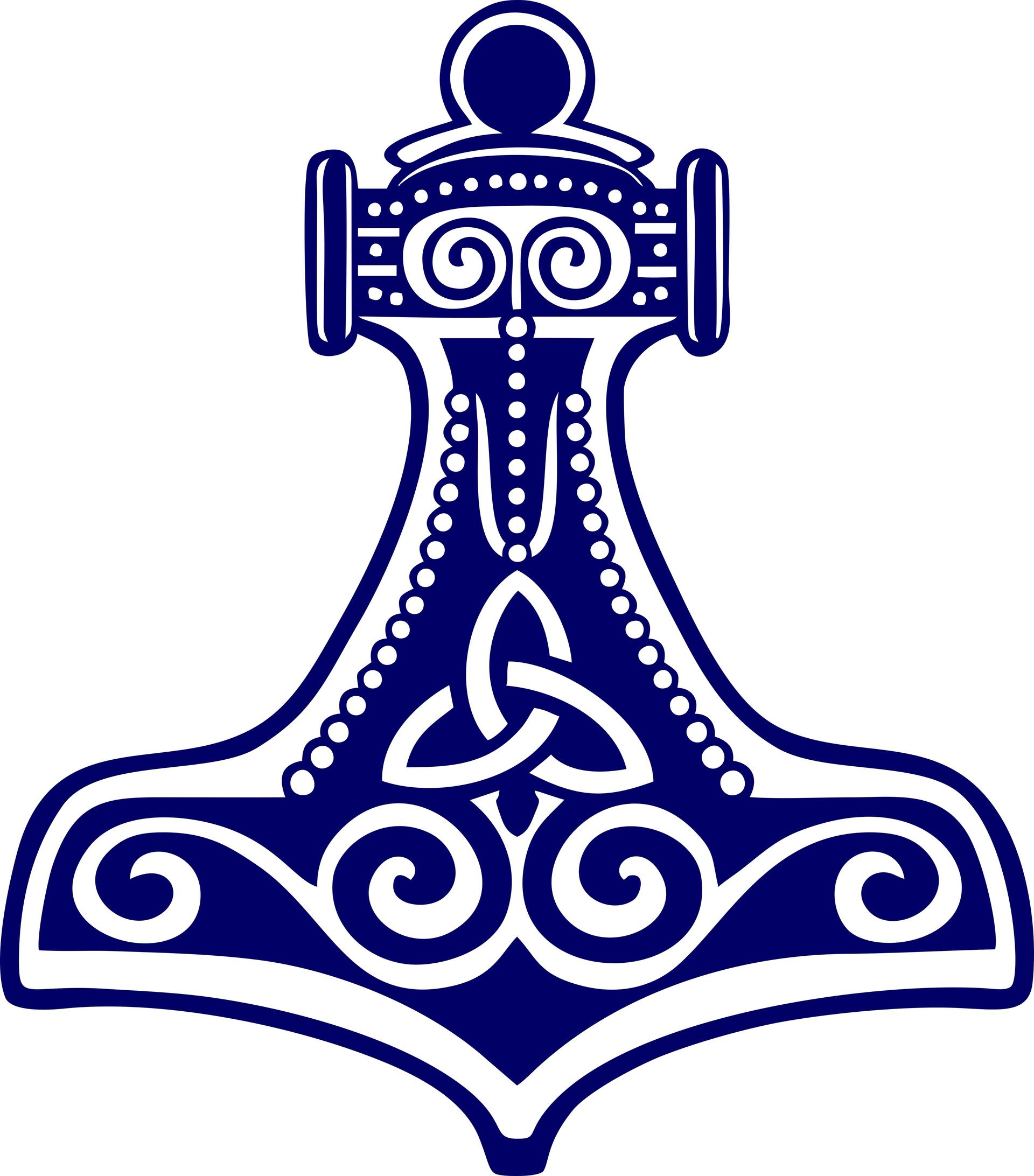
Thor was his son and was the god of war and typically depicted as an immensely powerful god who held a giant hammer. Thor was the most widely worshipped god in Viking times in Scandinavia.
- 🔨Thor carried a giant hammer called Mjölnir
- 💪He was depicted as immensely strong and powerful
- ⚔️Thor was the god of war and protection
- 🌟He was the most widely worshipped god in Viking Scandinavia
- ⛈️Thor was also associated with thunder and storms